Becoming a Paramedic

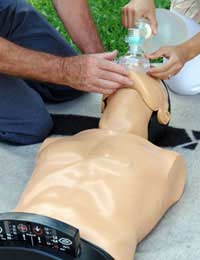
Working as a paramedic offers a long-term, secure career that demands commitment and focus. Paramedics are usually the first people on the scene of many medical emergencies, and so they need to be able to deal with a variety of medical situations. This means that the training and preparation of a paramedic is highly involved in order that they are able to deal with whatever the situation may be.
The Role of a Paramedic
The medical aspect of a paramedic’s working day starts with the ability to quickly and accurately assess a patient's needs, then administer the relevant treatment until the ambulance arrives at the hospital or until other medical back-up arrives. Paramedics deal with all sorts of medical emergencies from traffic accidents and mental health issues to heart attacks and impending births, so their training is intense and varied.The role of a paramedic will also involve some element of administration and signposting to other departments, especially with the paramedic usually being the first person to assess the condition of the patient. Consequently, the paramedic needs to have an excellent understanding of the various NHS services on offer, both in terms of emergency services and long-term care, and be able to signpost the patient, the patient’s family or the relevant department as appropriate. Writing accurate reports and keeping detailed patient notes is also a key part of the job of a paramedic.
Entry and Character Requirements
It is clear from the type of role that the character of a paramedic needs to be calm under pressure, able to deal with difficult situations effectively, and put stressed or anxious patients at their ease. The majority of paramedics have degrees or diplomas, with 15 universities in the UK currently offering degrees in Paramedic Sciences. Another way of becoming a paramedic is to initially train as an ambulance man/woman and then take an internal training course. This option requires a minimum of 5 GCSEs of grades A-C.Pay and Conditions
Paramedics are required to work an average working week of 37.5 hours, but because it is shift based, you could be working on any of the 365 days a year, at any time of a day. Paramedics work in all weathers and all conditions, including major public events, rural areas and deprived inner city areas, so a non-judgemental character is certainly needed. Shift work is common, with schedules arranged in advance.Paramedics start on the NHS payscale Band 5, which is currently from £19,683 to £25,424, although up to a further 25% pay is available for working unsociable hours. London weighting is also available. Experienced paramedics will go up to Band 6, which is up to £32,000, with some additional pay for unsociable hours and London weighting.

Re: Becoming a Paramedic
I would love to become the first aider and paramedic for working in the ambulance as the career in doing that role for me
Re: Finding Work Experience as an Adult
Hi. I have spent the majority of my career as a HCA. I was very good at it but last year I had an operation that left me…
Re: How to Become an Insurance Broker
So I have a lot people that want life insurance how do I become a insurance broker or even help someone by passing these…
Re: How to Become an Insurance Broker
I would like to become an insurance broker for cars, vans and taxi duo to the high request. Any suggestions? Please contact…
Re: Working with Animals
Good Morning. I am 55 years old and have been working in social care for the last 12 years. I have always loved animals and have a high…
Re: Becoming a Mechanic
I love this content, it was helpful, check this out also.
Re: Finding Work Experience as an Adult
Hi I'm 31 years old and have a disability I'm looking for work experience either in a nursery or as a receptionist at a…
Re: Finding Work Experience as an Adult
Hi i am looking for work experience in account assistant position. Thank you
Re: Finding Work Experience as an Adult
Hi I am looking for work experience in account assistant as I am having Acca and BA degree qualifications. I am available…
Re: How to Become an Insurance Broker
Hi We would like to start private hire insurance business. I need more information about this. Can you please contact me…